
Case study: Fardon v Harcourt-Rivington 1932
Relevance of this case
This case is used to distinguish between “realistic possiblities” and “fantastic possibilities.” However, even if you think the possibility is fantastic, in a criminal case if there was an easy control, you might not be able to use this case in defence.
This is cited in Chapter 1 of the book, when considering if a hazard is a hazard. It’s also relevant to chapters on assessment of risk.
Events on the day
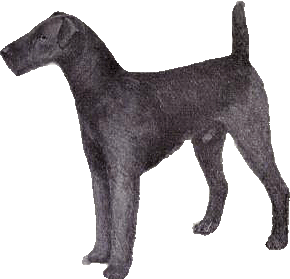
On 4 April 1929, Mr & Mrs Harcourt-Rivington decided to drive the one mile from their home to Selfridges. They parked their saloon motor car in Somerset Street, at the rear of Selfridge’s, with its back to the kerb. There were fewer parking restrictions in those days. They left their normally placid Airedale terrier dog inside their car.
Having parked his own car nearby, about 30 minutes Oliver Fardon walked past the Harvourt-Rivington car. The dog started to jumped around and bark. His actions shattered a car window (they were more fragile in 1920s) and unfortunately, a splinter of glass struck Mr Fardon’s eye. The injury was so severe, that the eye had to be removed, severely affecting his vision.
The case
Mr Fardon attempted to sue Mr Harcourt-Rivington for his failure to control the dog.
However, the judge ruled that the Harcourt-Rivingtons had acted reasonably in leaving their normally docile dog in a locked vehicle, and so Mr Fardon could not recover damages. The ruling from one of the judges, Lord Dunedin, has been quoted in many cases since this time:
If the possibility of the danger emerging is reasonably apparent, then to take no precautions is negligence; but if the possibility of danger emerging is only a mere possibility which would never occur to the mind of a reasonable man, then there is no negligence in not having taken extraordinary precautions .. This is such an extremely unlikely event that I do not think any man could be convicted of negligence if he did not take into account the possibility of its occurrence and provide against it … People must guard against reasonable probabilities but they are not bound to guard against fantastic possibilities.
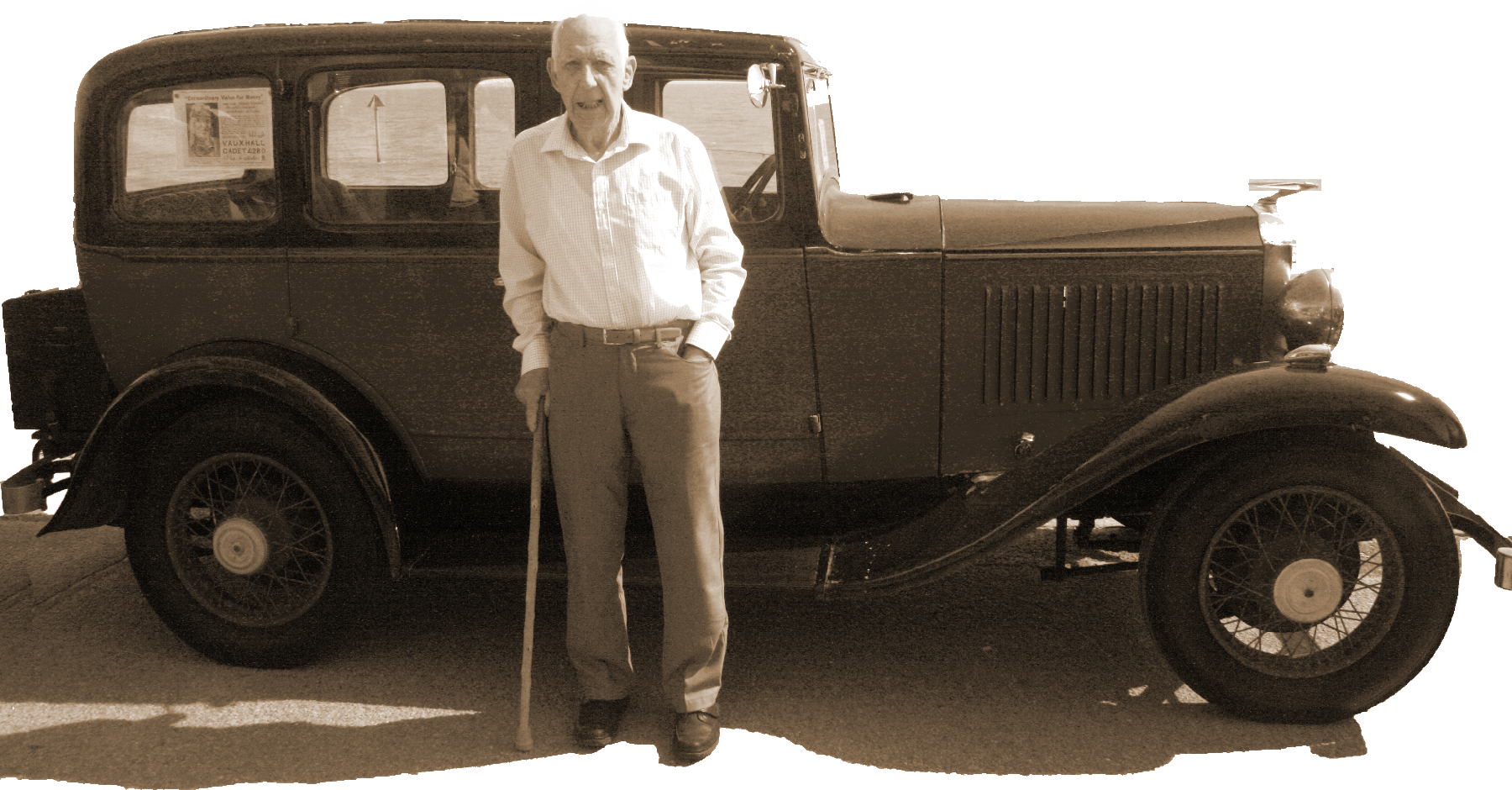
Richard Leathley standing in for defendant with a vintage vehicle. And an equally vintage Airedale terrier
More case studies are listed in Appendix 1 by theme or Appendix 1 by date.
See the full contents list for the book
You can use the Contact form to send me feedback. If you’d like to receive an email when I add or update a chapter, please subscribe to my ‘book club’